
Sneak Peak Home Inspection LLC
  • Home
  • Pricing
  • Your Report
  • Your Inspection
  • Commercial Inspections
  • Gallery
  • For Agents
  • Reviews
    • Leave a Review
  • Contact
  • Schedule Your Inspection
  • Blog
  • Menu Menu
  • Link to Facebook
  • Link to LinkedIn
  • Link to Instagram
September 22, 2026/0 Comments/in Home Buyers, Home Owners, Home Sellers, Homeowner Maintenance/by David

What Does a Home Inspection Cover?

Buying a home is a major investment, and even a home that looks great during a showing can have defects that aren’t immediately obvious. A professional home inspection gives you a better understanding of the property’s condition before you move forward with your purchase.

But what exactly does a home inspection cover?

A home inspection is a visual examination of the home’s readily accessible systems and components. Your inspector evaluates their condition, looks for visible signs of defects or safety concerns, and documents significant findings in an inspection report.

Exterior and Site

The inspection starts before you ever walk through the front door. Your home inspector will evaluate visible exterior components and conditions around the property, which may include:

  • Exterior siding, stucco, and trim
  • Doors and windows
  • Decks, balconies, porches, and stairs
  • Walkways and driveways
  • Grading and drainage around the home
  • Retaining walls and other applicable site features
  • Visible portions of the foundation

Conditions that allow water to collect or drain toward the home are particularly important because moisture can contribute to foundation, crawlspace, and structural problems.

Roof

The roof is one of the home’s most important—and potentially expensive—systems.

When accessible, the inspector evaluates the roof covering, flashing, penetrations, drainage systems, and visible roof components for signs of damage, deterioration, improper installation, or previous repairs.

The inspection may also identify conditions that warrant evaluation or repair by a qualified roofing contractor.

Structure, Foundation, Attic and Crawlspace

Accessible structural components are evaluated for visible signs of damage, deterioration, movement, or other concerns.

Depending on the home’s construction, this can include the foundation, floor structure, wall and roof framing, attic, basement, and crawlspace.

Inspectors also look for evidence of moisture intrusion and other conditions that may affect the building.

Electrical System

Electrical problems aren’t always obvious to a homebuyer walking through a home.

A home inspection typically includes an evaluation of readily accessible portions of the electrical system, including:

  • Service equipment and electrical panels
  • Visible wiring
  • Receptacles and switches
  • Grounding and bonding components
  • GFCI and AFCI protection where applicable
  • Permanently installed lighting fixtures

The inspector looks for visible defects and conditions that may present safety concerns or warrant further evaluation by a qualified electrician.

Plumbing System

Your inspector evaluates the home’s visible and accessible plumbing components for leaks, damage, improper installations, and other deficiencies.

This generally includes water supply and distribution piping, drain and waste piping, plumbing fixtures, faucets, toilets, and water-heating equipment.

Water flow and drainage are also observed at representative fixtures.

Heating and Cooling Systems

Heating and cooling equipment can represent a significant expense, particularly when equipment is approaching the end of its expected service life.

The inspection typically includes installed heating and cooling equipment, accessible ductwork, thermostats, and related components. Systems are operated using normal controls when conditions permit.

Interior

Inside the home, your inspector evaluates visible and accessible components throughout the living areas.

This may include:

  • Walls, ceilings, and floors
  • Windows and doors
  • Stairs, guards, and handrails
  • Cabinets and countertops
  • Permanently installed fixtures
  • Built-in or installed appliances included within the inspection scope

Inspectors also look for visible evidence of water intrusion, damaged materials, and other conditions that may warrant additional investigation.

Kitchens and Bathrooms

Kitchens and bathrooms contain a lot of plumbing, electrical equipment, appliances, ventilation, and water-resistant surfaces in relatively small spaces, making them important parts of the inspection.

The inspector evaluates accessible plumbing fixtures and components, electrical components, installed appliances within the inspection scope, ventilation, cabinets, countertops, and other visible conditions.

What Doesn’t a Home Inspection Cover?

It’s equally important to understand what a home inspection doesn’t do.

A standard home inspection is primarily visual and non-invasive. Inspectors don’t open walls, remove flooring, dismantle equipment, or damage finished surfaces to determine what’s hidden behind them.

A home inspection also isn’t a guarantee that nothing will ever go wrong with the home. Conditions can be concealed, inaccessible, intermittent, or simply not present at the time of the inspection.

Certain items may also require separate inspections or specialized testing, such as sewer laterals, chimneys, pools, septic systems, wells, environmental hazards, or other specialty systems.

What Happens After the Inspection?

After the inspection, you’ll receive a report documenting the inspector’s observations and findings. A good inspection report should do more than provide a long checklist—it should help you understand the significant conditions observed at the property.

Some findings may be relatively minor maintenance items. Others may deserve prompt attention or additional evaluation by an appropriate specialist.

The goal isn’t to find a “perfect” home. Almost every home has defects.

The goal is to help you better understand the home you’re buying.

Schedule Your Home Inspection

If you’re buying a home in the San Francisco Bay Area, Sneak Peak Home Inspection LLC provides thorough residential home inspections designed to give buyers a clearer understanding of the property before moving forward.

Serving homebuyers throughout Santa Clara, Sunnyvale, Mountain View, Campbell, Fremont CA and surrounding Bay Area communities.

Know what you’re buying before you call it home.
https://d135bwp39dz3xa.cloudfront.net/wp-content/uploads/sites/104/2021/07/10070202/logo.png 0 0 David https://d135bwp39dz3xa.cloudfront.net/wp-content/uploads/sites/104/2021/07/10070202/logo.png David2026-09-22 18:03:072026-09-22 18:03:07

How Bad is Mold in Your Home?

February 14, 2024/0 Comments/in Agent Resources, Home Buyers, Home Sellers, Homeowner Maintenance/by David

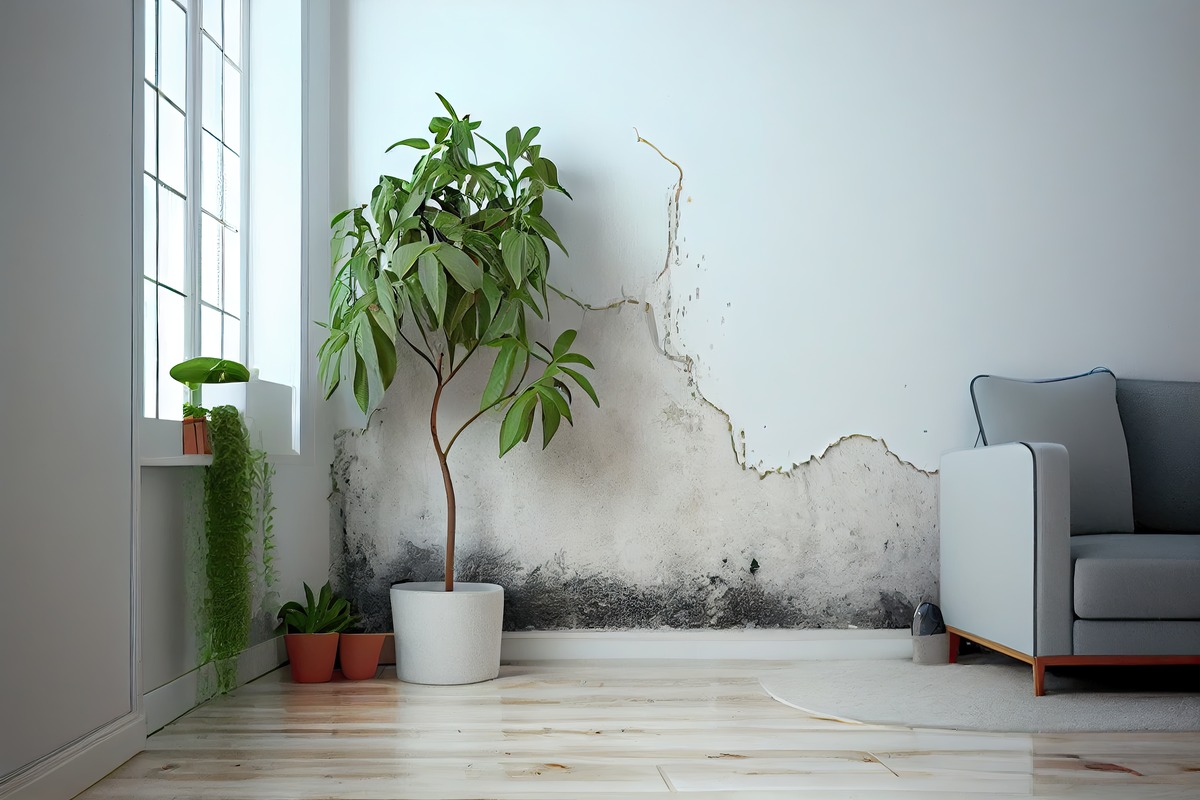
Mold inspection Santa Clara County

Mold in Your Home: Understanding the Risks and Solutions

Mold in your home is not just a cosmetic issue; it can pose serious health risks and structural problems within your home. While a little mold in the shower grout might seem harmless, the truth is, mold can thrive in various areas of your home, including walls, ceilings, and even hidden spaces like behind drywall or under carpets. The presence of mold indicates excess moisture, which not only creates an unsightly environment but also serves as a breeding ground for bacteria and allergens.

One of the primary concerns with mold is its impact on health. Mold spores can trigger allergic reactions, respiratory issues, and in some cases, even more severe health complications, particularly in individuals with existing respiratory conditions or weakened immune systems. Prolonged exposure to mold can lead to symptoms such as coughing, sneezing, skin irritation, headaches, and fatigue. Moreover, certain types of mold, such as black mold (Stachybotrys chartarum), produce mycotoxins that can be harmful when inhaled or ingested.

Beyond health concerns, mold can also compromise the structural integrity of your home. Mold growth can weaken wood, drywall, and other building materials, potentially leading to structural damage over time. Additionally, mold can cause staining, warping, and deterioration of surfaces, which may necessitate costly repairs or renovations. Moreover, if left unchecked, mold can spread rapidly throughout your home, making remediation efforts more challenging and expensive.

Fortunately, there are steps you can take to address mold issues in your home. Proper ventilation, controlling indoor humidity levels, promptly addressing water leaks or moisture buildup, and regular inspection and cleaning of susceptible areas can help prevent mold growth. In cases where mold is already present, professional mold remediation may be necessary to safely and effectively remove the mold and prevent its recurrence. By understanding the risks associated with mold and taking proactive measures to mitigate them, you can ensure a healthier and safer living environment for you and your family.

If you find mold in your home in Santa Clara County or have any concerns, we can help answer your questions.  Give us a call for a free consultation.

https://d135bwp39dz3xa.cloudfront.net/wp-content/uploads/sites/104/2021/07/10070202/logo.png 0 0 David https://d135bwp39dz3xa.cloudfront.net/wp-content/uploads/sites/104/2021/07/10070202/logo.png David2024-02-14 22:25:592024-03-25 00:41:28How Bad is Mold in Your Home?

What is a TPR Valve?

August 13, 2022/0 Comments/in Home Buyers, Home Sellers, Homeowner Maintenance/by David

TPR Valve - Home Inspection Report in San Jose, CA

What is a TPR Valve?

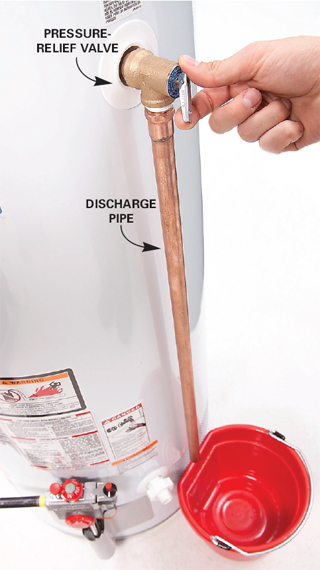
TPR stands for Temperature Pressure Relief.  This valve is a small, inexpensive device that is a very important safety feature for Water Heaters.  If the hot water tank experiences excessive pressure build-up, a TPR Valve can allow the release of this pressure.  Without it, your water heater can explode and cause potentially extreme damage to your home. Anyone within close vicinity to the water heater can be seriously injured or killed.   The MythBusters clearly show what an exploding Water Heater looks like in their Video .

The TPR Valve releases scalding hot water and steam.   An extension pipe is required to be attached to the valve to direct hot water towards the floor and terminate no more than 6 inches above the floor.  This pipe is commonly omitted and it’s a common defect us Home Inspectors include in our reports.  This is a serious safety defect but very easy to have installed if your water heater is missing this extension pipe.

How Do I Have Mine Tested?

Overtime, these valves can stop working properly so its recommend to have them tested by a licensed plumber.  You can perform the test yourself but if it starts leaking after testing it, you’ll need to have it replaced anyway.

Your Home Inspection Report may notate a problem with your TPR Valve or extension pipe.  It will probably be listed as a serious defect, but rest assured that it is fairly easy to remedy.

Make sure to hire a professional Home Inspector for your next inspection to spot any safety issues with your Water Heater.  If you’re looking for a knowledgeable inspector in the Los Gatos, CA area, Call/Text/Email us or schedule online 24/7 from our Schedule Your Inspection page.


Thanks for reading!

David @ Sneak Peak Inspection


https://d135bwp39dz3xa.cloudfront.net/wp-content/uploads/sites/104/2021/07/10070202/logo.png 0 0 David https://d135bwp39dz3xa.cloudfront.net/wp-content/uploads/sites/104/2021/07/10070202/logo.png David2022-08-13 22:56:442023-01-07 02:02:51What is a TPR Valve?

What To Expect From A Home Inspection

July 1, 2022/0 Comments/in Agent Resources, Home Buyers, Home Sellers/by David

Home Inspection in San Francisco Bay Area


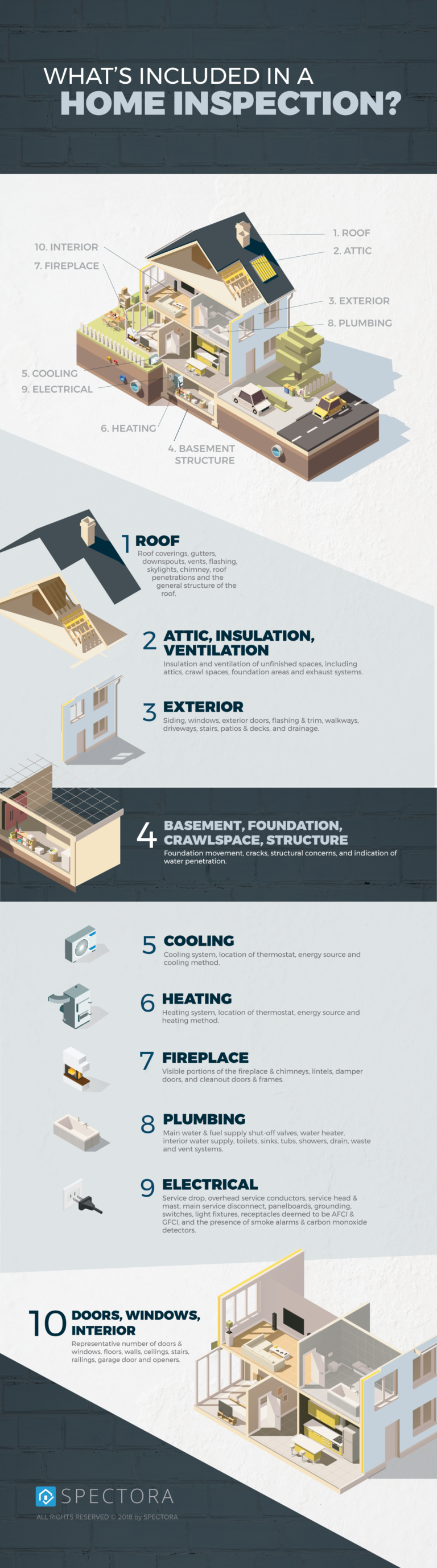
So, you’re buying or selling a home in the San Francisco Bay Area and want to know what is involved in a Home Inspection.  In this article, we will discuss the amount of time needed for the inspection, what Home Inspectors look for, how to prepare the home for an inspection, and the tools we use.

How Much Time Does An Inspection Take

A typical home inspection takes around 2 to 4 hours for an average sized home.  There are many factors that affect the time it takes such as:

  • The age of the home – Some of an older home’s major systems may be outdated and need repair or replacement which takes more time to write up in the report
  • How well the home was maintained – Many of the defects we find are simple fixes that just didn’t get maintained properly over the years
  • Time discussing the report with our clients – We always welcome our clients to attend but we usually ask them to save questions for the end of the inspection so we can be quick and efficient


What Components or Systems Does A Home Inspector Inspect

A home inspection involves all the major systems in a typical home.  We inspect for safety and function issues within the home so that they can be addressed sooner rather than later before they become expensive repairs.  Sometimes, it’s already too late but we believe everything is fixable and negotiable.  These systems include but are not limited to:

Roof

This includes the condition of:

  • The roof coverings
  • Roof penetrations and the general structure
  • Chimney
  • Skylights
  • Gutters
  • Downspouts
  • Vents
  • Flashings

Fireplace

The home inspector will inspect:

  • The visible portions of the fireplace and chimneys
  • Lintels
  • Damper doors
  • Clean out doors and frames

Attic, Insulation, and Ventilation

The home inspector will look at the ventilation and insulation in the unfinished spaces including:

  • Crawlspaces
  • Foundation areas
  • Exhaust systems

Exterior

  • Walkways
  • Driveways
  • Stairs
  • Patios and decks
  • Drainage
  • Exterior doors
  • Siding
  • Windows
  • Flashing and Trim

Heating

We check the overall condition of the heating system, energy source, the location of thermostat, and the type of heating system you have in the home.

Cooling

We check the overall condition of the cooling system, energy source, the location of thermostat, and the type of cooling system you have in the home.

Plumbing

Water can cause major issues with any home so we add a lot of attention to the plumbing in a home. This includes:

  • Main water and fuel supply shut-off valves
  • Water heater
  • Interior water supply
  • Drains
  • Waste and vent systems
  • Toilets
  • Sinks
  • Showers
  • Tubs

Electrical

A home’s electrical system is what provides the power so we give this a lot of attention as well including:

  • The service drop (this is where the electrical utility company connects to your home)
  • Conducting wires
  • The service head and mast
  •  Main shutoff
  • Panel boards and Sub-panels
  • Light fixtures
  • Outlets
  • The presence of smoke alarms and carbon monoxide detectors

Doors, Windows, and Interior

This includes a representative number of:

  • The garage door and openers
  • Doors
  • Floors
  • Walls
  • Ceilings
  • Windows
  • Stairs
  • Railings

Foundation, Basement, Crawlspace, and Structure

  • Foundational movement
  • Indication of water penetration
  • Structural issues
  • Cracks

How Do I Prepare My Home For A Home Inspection

  • Please make sure the water, gas, and electricity are turned on
  • Please ensure proper access to the entire property and that all pets are safely contained
  • Please make sure personal belongings are not blocking access to the attic and crawlspace access areas

What Tools Does A Home Inspector Use

The minimum necessary basic tools that we use are:

  • Flashlight
  • Screwdriver
  • Ladder
  • GFCI tester
  • Phone / Camera

The more advanced tools that provide us with additional information that our eyes can’t see are:

  • Drone for non-walkable roofs
  • Moisture meter
  • Gas detector
  • Non-contact voltage detector
  • Infrared camera
  • Advanced electrical tester


I really hope that this information has provided you some beneficial insight into what to expect from your next Home Inspection.  This is a very important process in the home buying and selling process.  If you live in the San Francisco Bay Area and have any questions about the Home Inspection process, please let us know!  You can call, text, email, or schedule your inspection online 24/7 right from our website by clicking on this link:  Schedule Your Home Inspection


Thanks for reading!

David @ Sneak Peak Inspection

https://d135bwp39dz3xa.cloudfront.net/wp-content/uploads/sites/104/2021/07/10070202/logo.png 0 0 David https://d135bwp39dz3xa.cloudfront.net/wp-content/uploads/sites/104/2021/07/10070202/logo.png David2022-07-01 01:16:342022-07-03 18:27:42What To Expect From A Home Inspection

GFCI Outlets – What are they and why do I need them?

May 31, 2022/0 Comments/in Home Buyers, Home Sellers, Homeowner Maintenance/by David

Bay Area GFCI Outlet


GFCI Outlets – What’s all the fuss about?

I’ll explain what GFCI outlets do and why they’re so important.

Where

GFCI outlets are required in all the areas around water in your home.  These areas include the kitchen, bathrooms, laundry area, outdoors, garage, and around pools, spas, and other water features.

Why

Electricity can be dangerous, especially when your hands are wet or there is water on the floor/ground.  If you come into contact with electricity in these situations, you can get severely shocked or electrocuted.  It takes very little electricity to stop your heart.

How

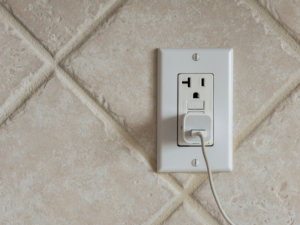
If this happens, a working GFCI will stop the flow of electricity before you can get hurt.  That is why it is so important to make sure they’re working by testing them regularly.  You don’t need a fancy tester like home inspectors use. All GFCI outlets have a “Test” and “Reset” button.  We recommend testing them monthly.  GFCI’s are designed to provide additional protection for non-GFCI outlets downstream on the same circuit.  So, let’s say you have 5 outlets in your kitchen on the same circuit, you only need 1 GFCI to protect them all.

One thing to note: do not paint a GFCI outlet!  Painting an outlet seals the buttons and it will no longer trip.  Hardware supply stores sell GFCI outlets in several colors so you don’t have to paint them.

Older Home Wiring

One additional use for a GFCI outlet is when replacing an ungrounded 2 prong outlet.  If adding a ground to an outlet in an old house is not feasible, this is an acceptable option for shock protection.  Without a ground, a person can become the ground which could also cause electrocution.  The GFCI will protect someone from getting shocked but the downside is that it does not provide an equipment ground for electrical devices that require them.  Also, a surge protector needs a ground to work properly and a GFCI does not replace an actual ground.


I hope this gives some insight into the importance of having properly installed and working GFCI’s in your home.  If you’re unsure of how to test your GFCI’s, give us a call and we’ll help you out.  If you live in the Los Gatos, CA area and need to replace any non-functional GFCI outlets, you can call Handy Dave and he’ll be happy to help you out.  Dave wrote a great article on the importance of GFCI outlets.  Thanks for reading and have a great day!


https://d135bwp39dz3xa.cloudfront.net/wp-content/uploads/sites/104/2021/07/10070202/logo.png 0 0 David https://d135bwp39dz3xa.cloudfront.net/wp-content/uploads/sites/104/2021/07/10070202/logo.png David2022-05-31 07:30:382022-09-10 20:17:16GFCI Outlets – What are they and why do I need them?

Pages

  • Blog
  • Contact
  • For Agents
  • Free Tips For Homebuyers
  • Gallery
  • Leave a Review
  • Pricing & Services
  • Reviews
  • Schedule Your Inspection
  • Welcome
  • Your Inspection
  • Your Report

Categories

  • Agent Resources
  • Home Buyers
  • Home Owners
  • Home Sellers
  • Homeowner Maintenance

Archive

  • September 2026
  • August 2026
  • February 2026
  • May 2024
  • February 2024
  • June 2023
  • August 2022
  • July 2022
  • May 2022

Contact Info

(408) 585-9292

david@sneakpeakinspection.com

(408) 585-9292

Proudly Serving

Sneak Peak Home Inspection LLC provides Residential Home Inspections, Roof Inspections, and Pool & Spa Inspections in Santa Clara County, Santa Cruz County, the Santa Cruz Mountains and surrounding areas.

Schedule Your Inspection

Get in Touch

This site is protected by reCAPTCHA and the Google Privacy Policy and Terms of Service apply.

This contact form is deactivated because you refused to accept Google reCaptcha service which is necessary to validate any messages sent by the form.
© Copyright 2021 Sneak Peak Home Inspection - Website by Spectora
  • Link to Facebook
  • Link to LinkedIn
  • Link to Instagram
Scroll to top Scroll to top Scroll to top